Turning Data into Impact: RDF Monitoring and Evaluation Capacity Building
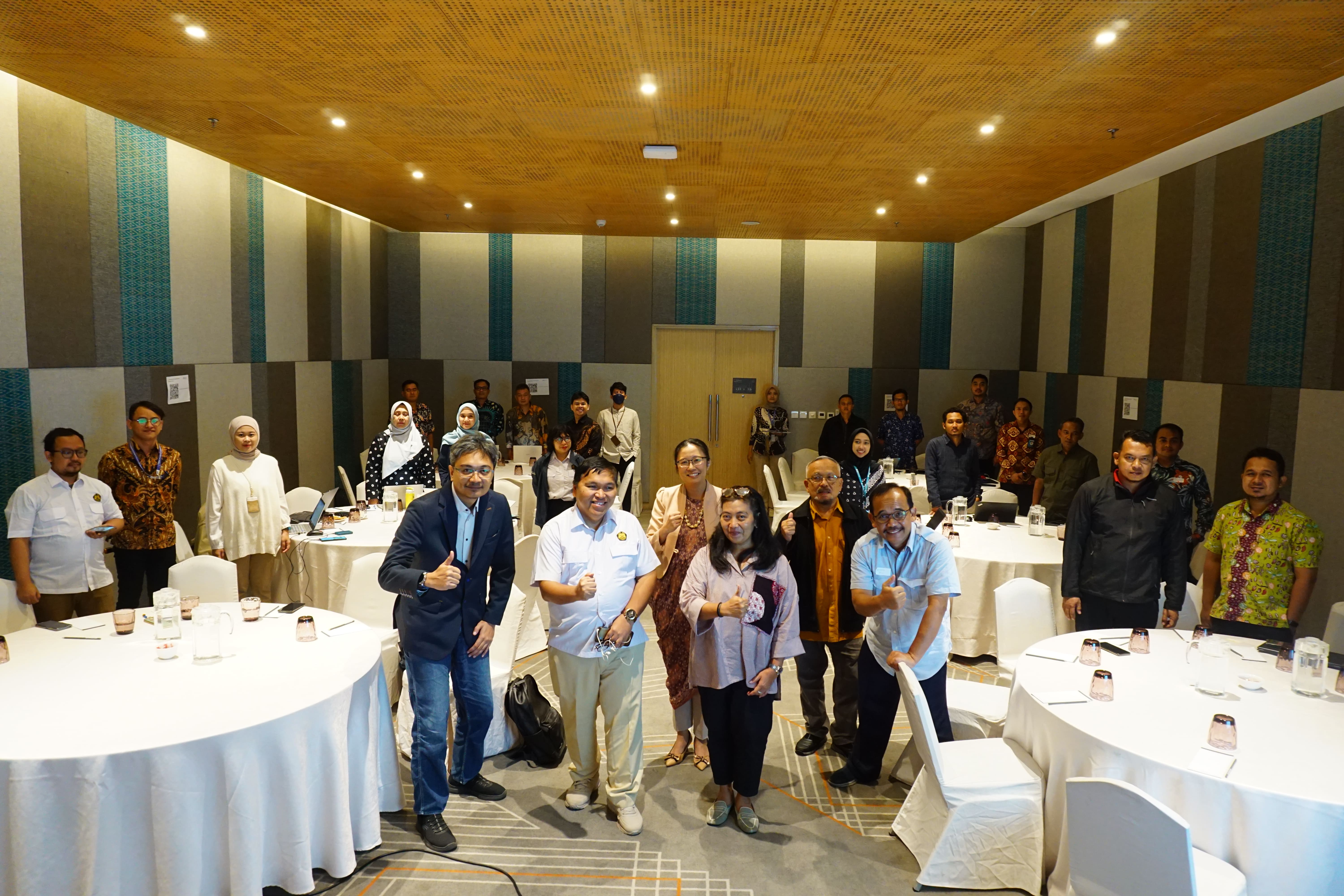
Speakers and all participants of the RDFact Capacity Building 6
Refuse-derived Fuel (RDF) has emerged as a prominent solution in Indonesia’s waste management sector. According to RDI’s 2024 analysis, 13 RDF plants have been built nationwide, with many more in development. These facilities often require significant investment and careful operational management to ensure optimal performance and long-term sustainability. A robust framework for monitoring and evaluation (M&E) is essential to support this.
On June 22–23, 2025, the Resilience Development Initiative held the sixth RDFact Capacity Building with a central theme on Monitoring and Evaluation (M&E).
Representatives from city environmental agencies (Dinas Lingkungan Hidup/DLH) attended this two-day capacity-building program at various levels involved in implementing RDF plants. The general objectives of this program were to build local capacity in developing evaluation tools for the RDF plant implementation and to support the long-term sustainability of the RDF project. Additionally, the event served as a platform to introduce the Multi-Criteria Decision Analysis (MCDA) calculator, a tool developed by RDI. This tool is designed to help local governments identify suitable RDF technologies based on their regional needs and evaluate feasibility using available data.
The event began with opening remarks from Ir. Edi Wibowo, Director of Bioenergy at the Ministry of Energy and Mineral Resources (ESDM), followed by Dr Elisabeth Rianawati, Director of RDI, who introduced the Baresi Training Centre as RDI’s platform for disseminating its knowledge, including RDF development.
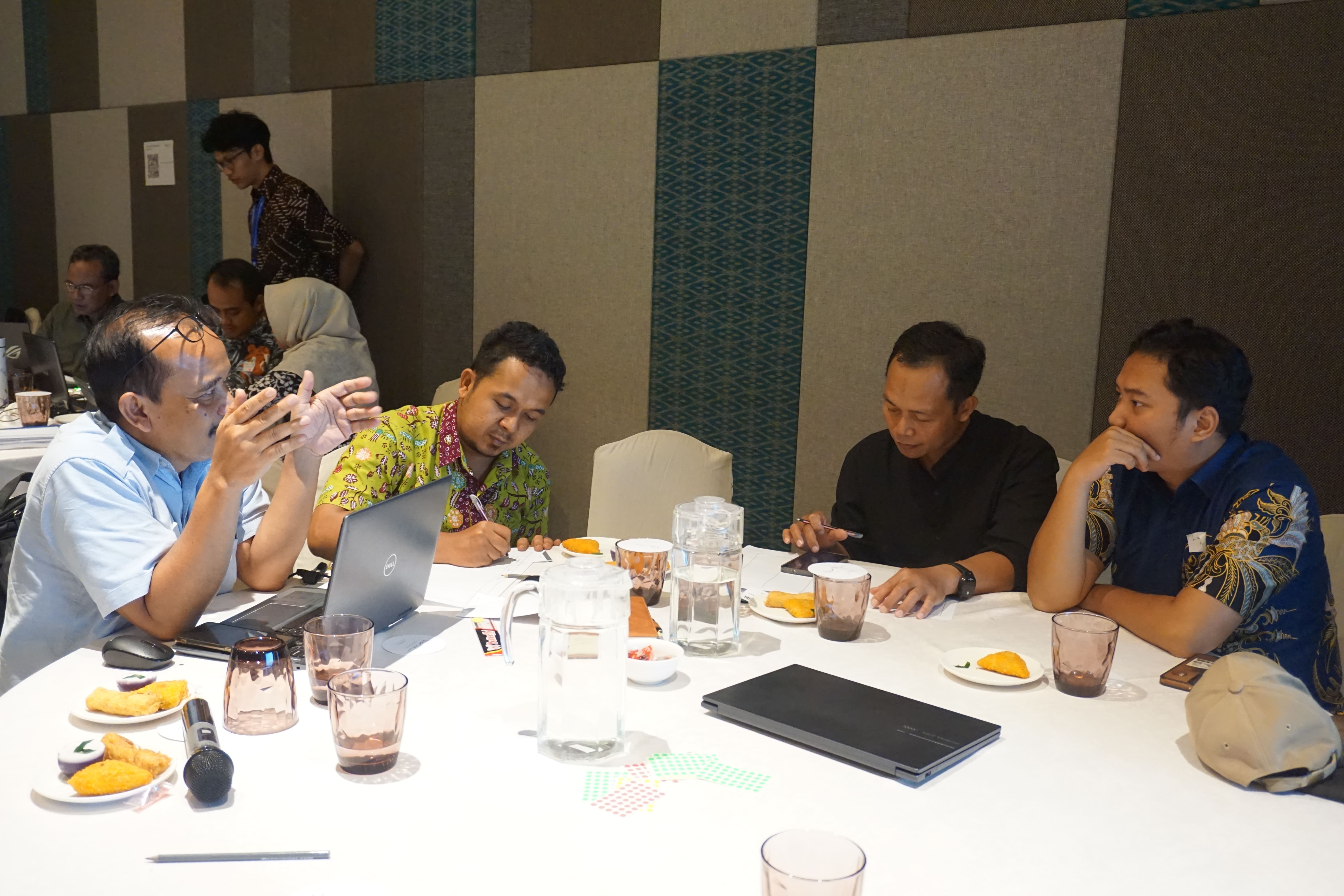
Discussion among participants at workshop sessions
The program continued with a session by Dr Pandji Prawisudha, an expert on the RDFact project, providing an overview of monitoring and evaluation. This was followed by a hands-on workshop on M&E frameworks using the M&E Ex-Ante Worksheet (for the planning level) and the Weighted Balanced Scorecard Worksheet (for the implementation level), co-facilitated by Ms Ita Sadono, Municipal Solid Waste (MSW) RDF Business Development Manager at PT Solusi Bangun Indonesia. Additionally, a dedicated workshop on the development of M&E tools was held, again led by Dr Pandji Prawisudha and the RDI team.
The second day featured a half-day session of Focus Group Discussion with presentations by Ms Andina Novita Tas'an from the Ministry of Environment and Forestry (KLHK) and Ms. Marsaulina Pasaribu from the Ministry of Public Works. They discussed the importance of local government-owned M&E tools, best practices in public project monitoring, and the integration of institutional M&E formats into effective operational systems. The discussion was further enriched by responses from Ms Nur Aisyah Nasution (Bappenas) and Mr Tata Sumirat (PT Sarana Multi Infrastruktur), who provided valuable perspectives from planning and financing institutions. The session, moderated by Mr Hoferdy Zawani, Deputy Director of RDI, received enthusiastic engagement and questions from RDF implementers in attendance.
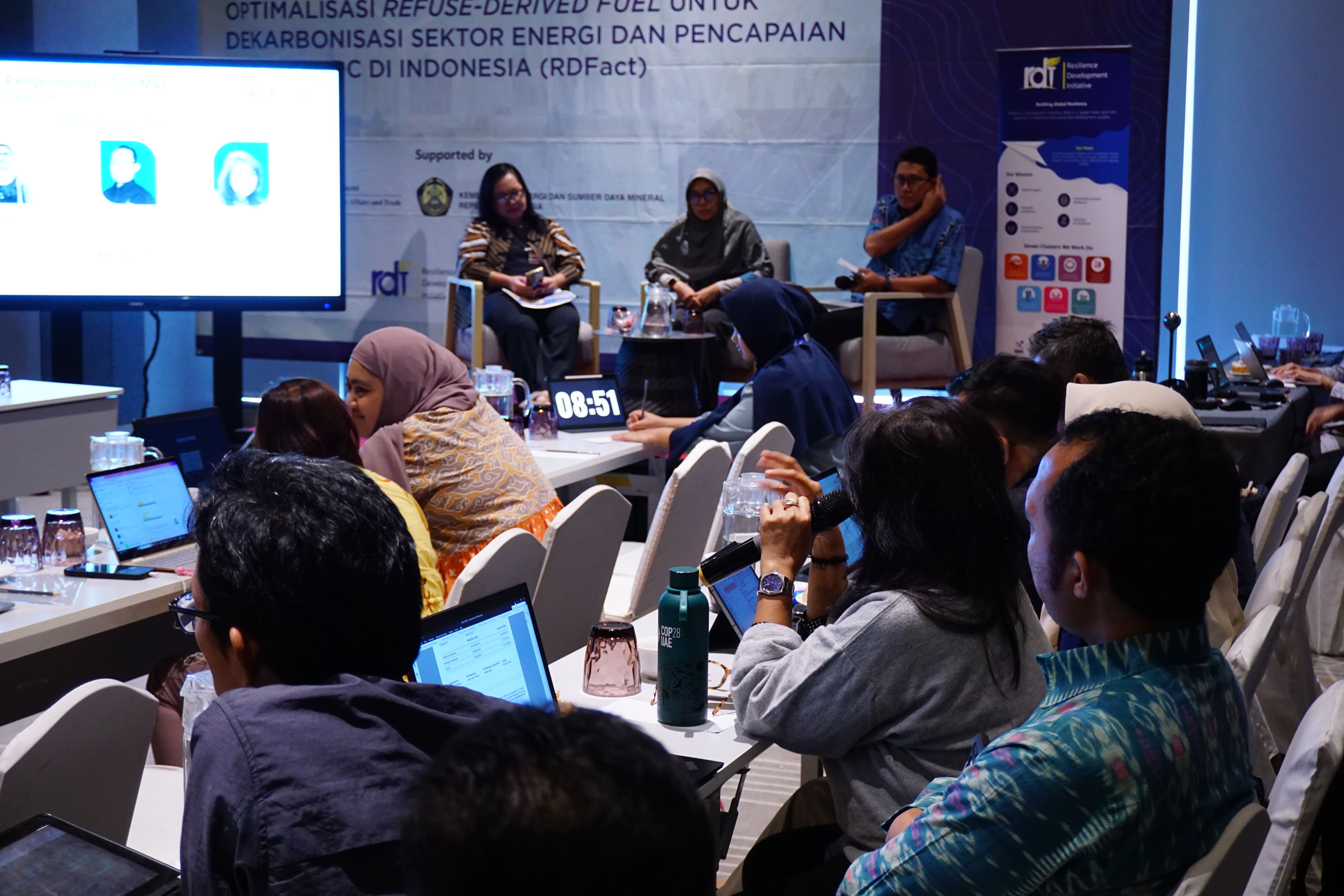
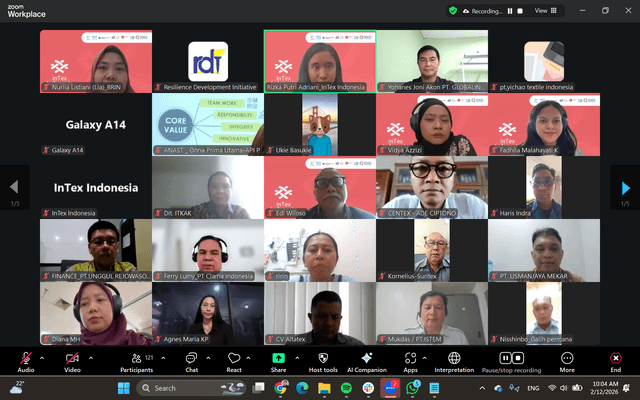
Discussion during the second day’s session
The RDFact series will continue with future events, including Capacity Building #7 on the socioeconomic impact of RDF, site visits to Australia and Indonesia, and a virtual consultation. RDI also shared access to its latest publication, The RDF Financing Scheme Study and Cost-Benefit Analysis Report for Waste Management in Indonesia, available at the following link: bit.ly/LaporanBiayaManfaatRDF.
Written by Fahmi Akbar (Outreach Officer) and Baihaqi Muhammad (REER Programme Officer)